 BSGCO000583Incoming
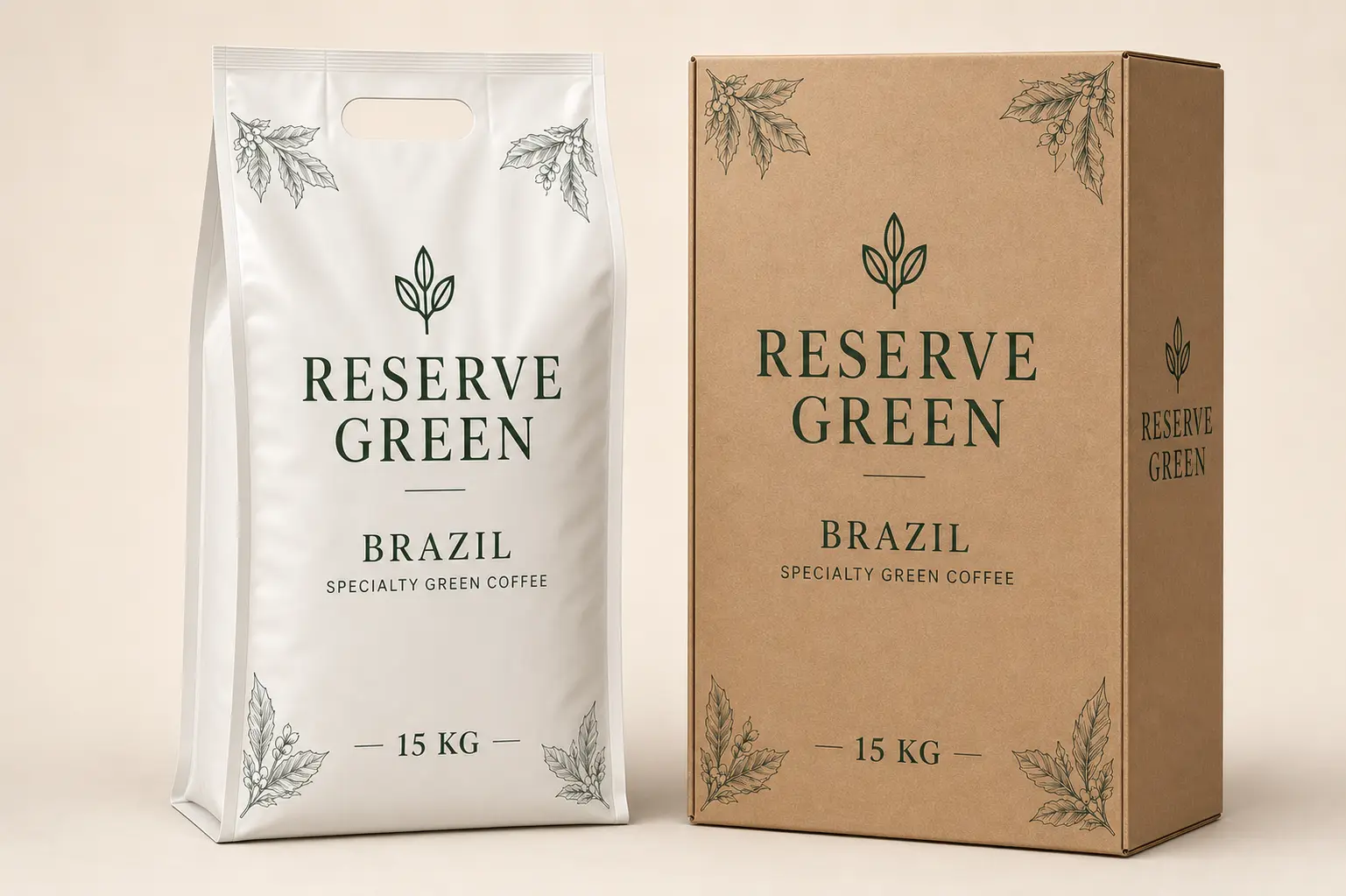
Brazil Mogiana
A versatile natural Arabica from Brazil's Mogiana region, selected for a sweet, familiar profile and reliable performance across espresso and blend applications.
26 lots shown
BSGCO000583IncomingA versatile natural Arabica from Brazil's Mogiana region, selected for a sweet, familiar profile and reliable performance across espresso and blend applications.
 COL-EXCELSO84Incoming
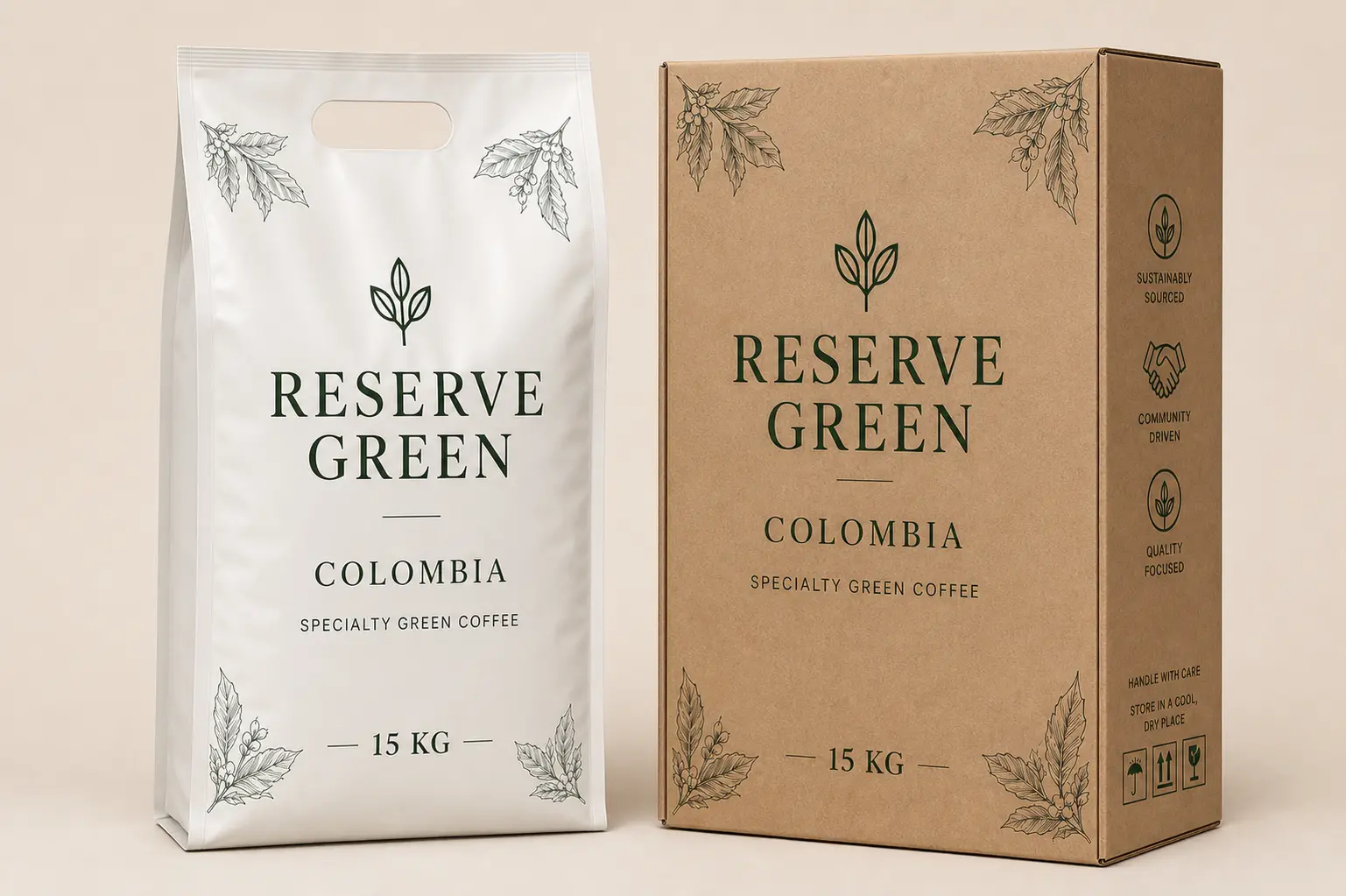
A classic washed Colombian Arabica offering dependable quality for espresso, filter and milk-based beverages. Its smooth body, pleasant sweetness and gentle acidity suit both single-origin roasting and premium blends.
BR-24-004187In StockNamed after the producers’ son, this coffee is processed as an Extended Fermentation Natural by the producers at Jaguara Coffee in Brazil. The producers at Jaguara, Natália Brito & André Garcia, have named certain concept coffees after their children, Benicio and Gael. Gael, being the more adventurous and wild one, inspired the name for the funkier and more intense lots. Benicio, described as a "sweet boy," lends his name to the sweeter, more delicate coffees. This lot was hand-picked, and the drying process was carried out on raised African beds.
BR-24-019784.75In StockThis coffee is produced by the producers at Jaguara Coffee, an established specialty-coffee supplier in Brazil. They continuously invest in their production to improve the quality of their cup.
BR-24-020186In StockA late-harvest Brazil from Sitio Beija Flor, a new project from the producers at Jaguara. This is a natural processed coffee from the Arara variety, and it is produced by Natália Moreira Brito.
CO-24-018987.5In StockThis honey processed coffee is produced by an established producer in Colombia, Juan Saldarriaga. Named after his father Luis, it is produced on one of the family’s farms, El Encanto, located in Ciudad Bolivar, Antioquia.
CO-25-013587.5In StockThis lot is produced by Luz Marina Moncada, a third-generation coffee grower stepping into the world of specialty coffee. The coffee comes from Ciudad Bolívar, Antioquia. Harvest and post-harvest: The primary harvest at El Coco takes place from October to December, with a secondary fly crop in May. As with many traditional farms, cherries are picked by hand by a seasonal team of 25 pickers, supported year-round by 5 permanent workers. The entire family is involved in the operation, continuing a tradition that dates back to 1887. Cherries are dried in a mechanical dryer.
CO-25-013987.5In StockNamed after his father, this lot is produced by an established producer in Colombia, Juan Saldarriaga.
CO-24-033587In StockAs a third generation farmer, Jhon Samboni works together with his wife and daughters on his farm, Santa Barbara, which he bought in 2018. He receives help from 10 permanent employees, and hires an additional 40 workers during the selective cherry picking season. Located in the town of Buenavista in the Huilan area of Algecira, his farm sits at an impressive altitude of 2050 masl. It is home to geisha, catuai, red bourbon, and castillo varieties. In terms of his vision, Jhon told the team at Cuatro Vientos that he wishes to invest in food and infrastructure for his farm. This will allow him to develop his processes further and achieve high quality coffee, leading to better living conditions for his family and employees.
CO-25-013287.5In StockLa Bonita is run by Rogelio Espinoza, a second generation coffee producer. The farm is 2ha in size and it is located in the village of Pinares, Huila, at 1400 masl. The varieties he cultivates are Gesha and Java. The harvest runs from April to June, with a second harvest (mitaka) taking place in September.
CO-25-015086.5In StockA washed microlot produced by Fernando Alvarez Martínez in Gigante, Huila. Antonio is a first-generation coffee producer and the owner of Finca San Antonio. Harvest & Post-Harvest: Fernando has been committed to manual harvesting. The coffee undergoes floating in a cement tank, followed by fermentation in a water-filled tank for 36 hours and drying under a canopy. Fernando works alongside his family, with two permanent workers and ten harvesters supporting production during picking season. His main harvest season occurs in May and June, with a secondary harvest (Mitaka) in October, November, and December.
 KE-25-003485.5In Stock
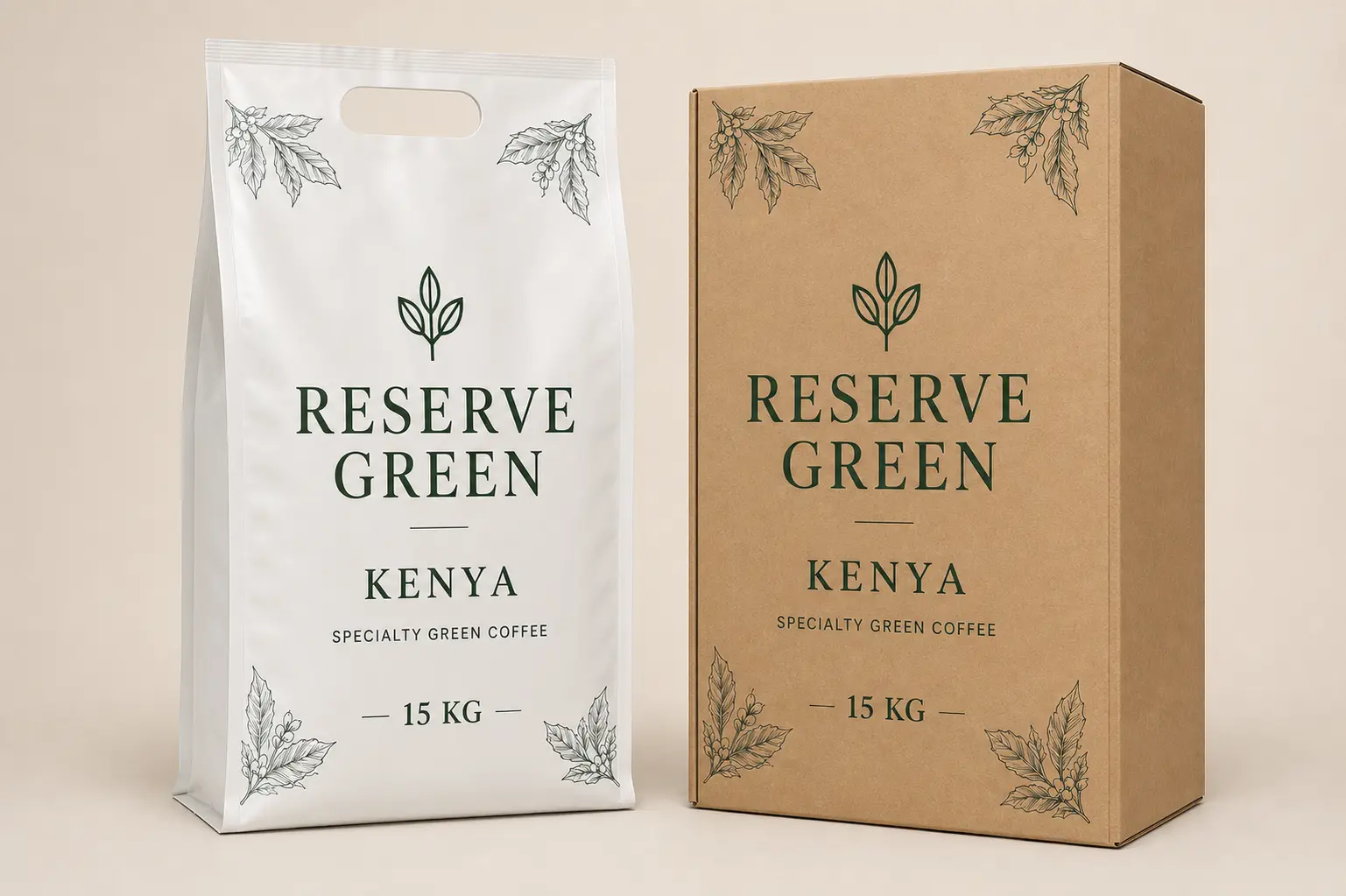
A washed, Kenyan lot produced at the Karumandi Factory, which is managed by the Baragwi Cooperative in Kirinyaga. Varieties: SL-28, SL-34, Ruiru 11, Batian
 RW-24-007386.75In Stock
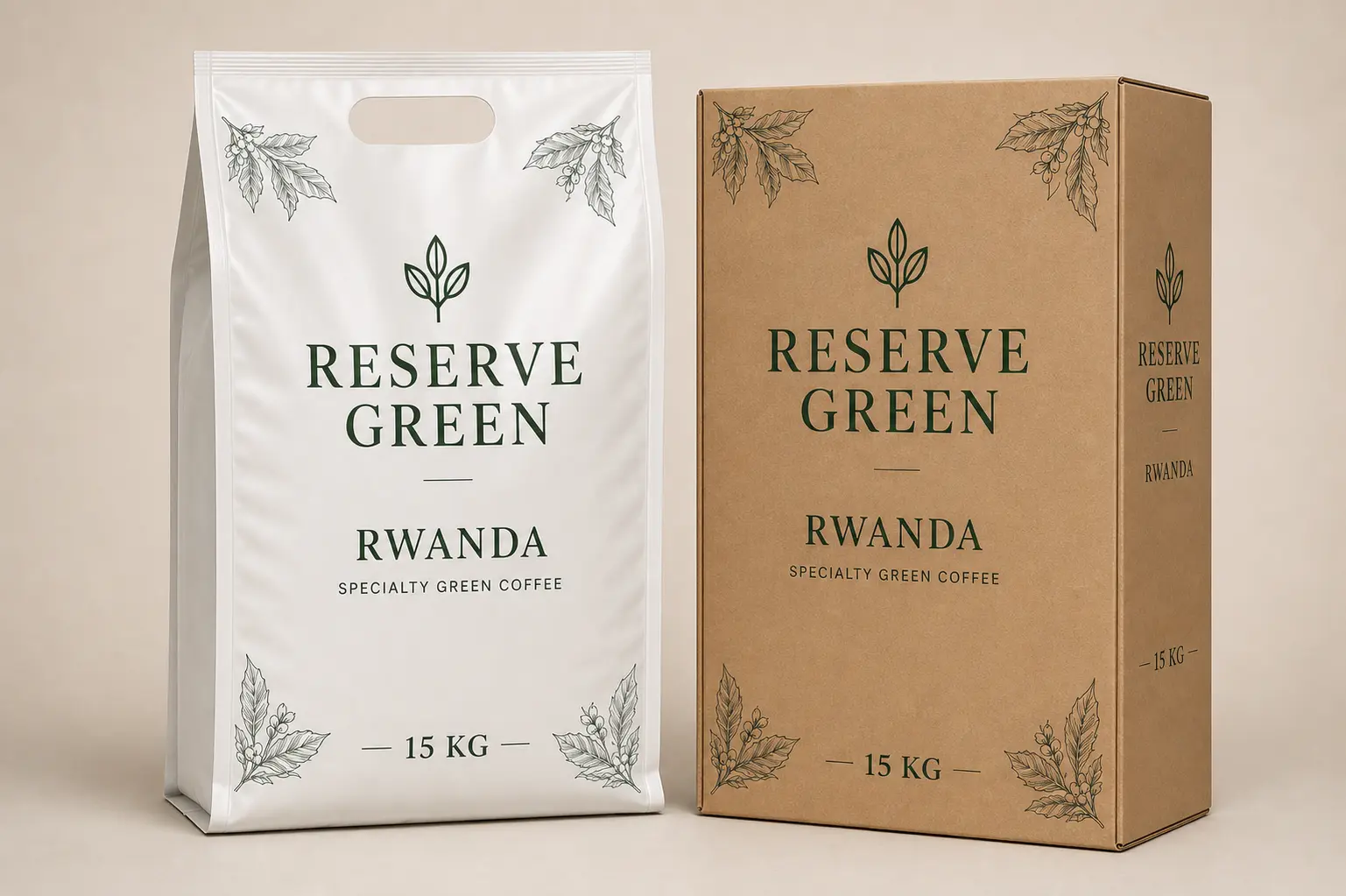
Processed at Gitesi Washing Station, owned by Aime Gahizi, a washing station with a long specialty-coffee track record. Farms that deliver cherry to Gitesi are generally small, family owned operations. Each family cares for their plants and picks the cherries themselves. Usually, they also grow crops for their own consumption, and some farmers have more land. Harvest & Post-Harvest Even though many selected lots come from cherries picked between May and July, Rwanda’s harvest can run from March until August. This isn’t always consistent, as it can shift depending on the weather and the altitude the coffee grows on. The season’s climate in this region is generally quite cool, and can therefore control the fermentation process. A Penagos 800 Eco Pulper removes the skin of cherries, the pulp and 70% of the mucilage. The coffee is then dry fermented for 10-12 hours, graded and washed in channels. It is separated into two grades based on density, before being soaked in tanks of clean water for 16 hours. The parchment is initially taken to pre-drying tables underneath the shade. At this stage, while the parchment is still wet, a lot of hand sorting is conducted as it is easier to detect potential defects. The parchment is then dried on African drying beds for up to 15 days. It is covered with a shade net during the hottest hours of the day, throughout the night, and anytime it rains.
RW-24-005886In StockThis lot has been produced by Aime Gahizi on his private farm, a producer with a long specialty-coffee track record. It is processed in the Gitesi Washing Station, which he also owns. The cherries of this lot are processed separately from the rest of the cherries entering the station and then exported as a single- farmer coffee.
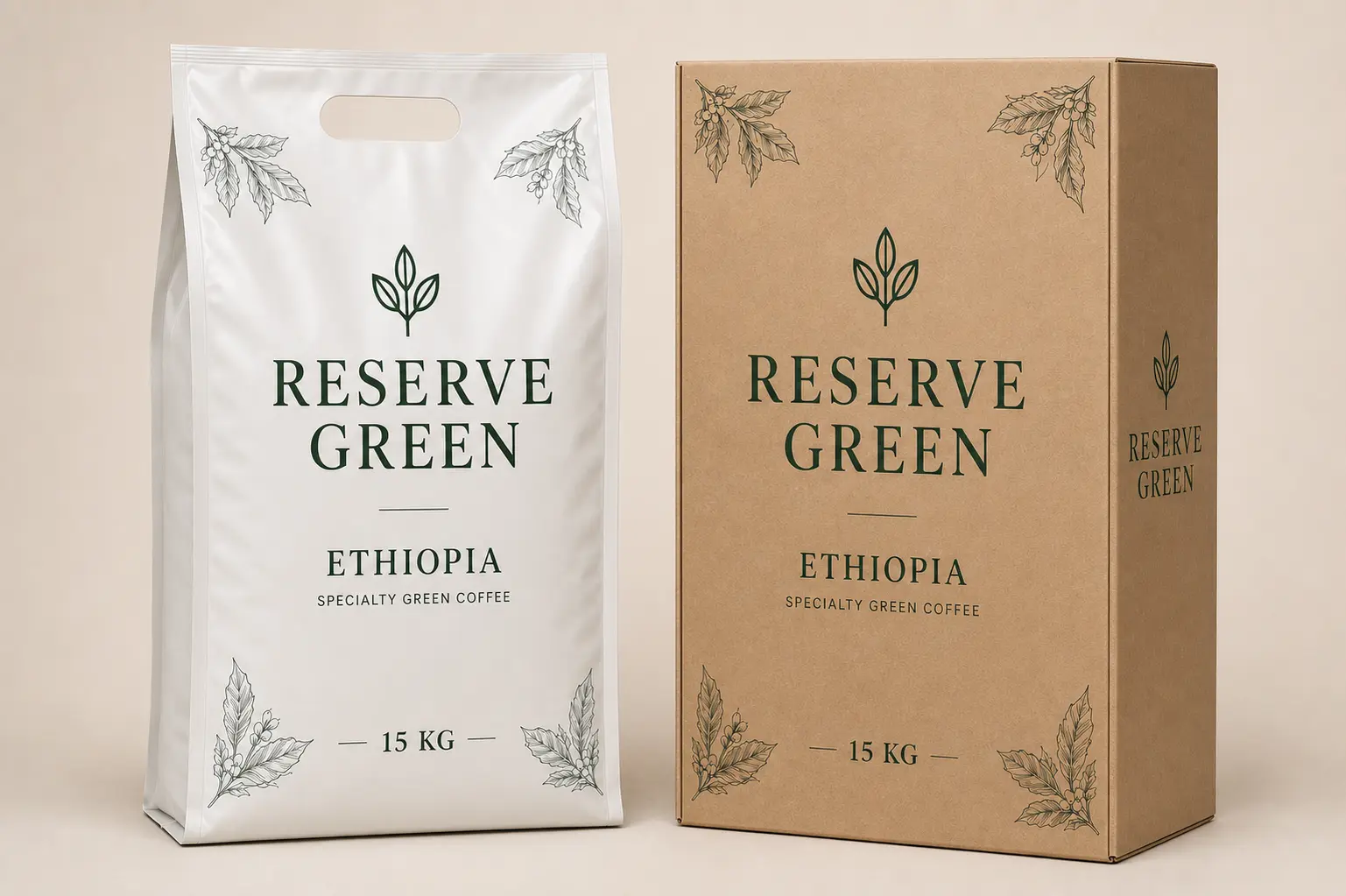 ET-25-003387.5In Stock
This organic, washed lot comes from the cherries of approximately 400 smallholders near the Danche Washing Station, all situated at 2000-2300 metres above sea level. Flavour profile & Naming To effectively categorise Nordic Approach's Ethiopian coffees, Nordic Approach created a “flavour wheel”, which assigns different flavour profiles to colours. This coffee falls into the “Kelloo” flavour profile. Kelloo means "yellow" in the Oromiffa language. This concept represents coffee that tastes like yellow tropical fruit, florals, peach, and stone fruit.
ET-25-020687.5In StockThis lot comes from a washing located in the Yirgacheffe district, Gedeo Zone, which produces quality cup profiles and high-scoring lots. To effectively categorise Nordic Approach's Ethiopian coffees, Nordic Approach created a “flavour wheel”, which assigns different flavour profiles to colours. This coffee falls into the "Diima" flavour profile. Diima means "red" in the Oromiffa language, and it indicates that you will find intensity, fruit candy, violet florals, and tropical fruit like mango & banana in your cup.
ET-25-006687In StockThis lot was produced by smallholder farmers in the Tulise area and naturally sun-dried at the SNAP wet mill located in the Gedeo Zone.
ET-25-017987In StockA natural produced in Goro Bedessa of the Guji Zone. This lot was collected from 149 single farmers near the dry station in Goro Bedessa. Each farm is about 2-3 hectares in size, growing Heirloom and sub-varieties of 74110 and 74112. To effectively categorise Nordic Approach's Ethiopian coffees, Nordic Approach created a “flavour wheel”, which assigns different flavour profiles to colours. This coffee falls under the Burtukaana category. In the Oromiffa language, “Burtukaana” means "orange". It describes coffees that are round, citric, with notes of stone fruit, and a good overall structure.
ET-25-018186.8In StockAn Ethiopian natural lot produced by smallholder farmers located in Hambela, in the village of Benti Nenka. To effectively categorise Nordic Approach's Ethiopian coffees, Nordic Approach created a “flavour wheel”, which assigns different flavour profiles to colours. This coffee falls into the “Bildimoo” flavour profile. Bildimoo translates to clay soil and a shade of red in the Oromiffa language. In this programme, the concept represents coffees that are lactic, with notes of lychee, cinnamon, pineapple, cola, and ginger.
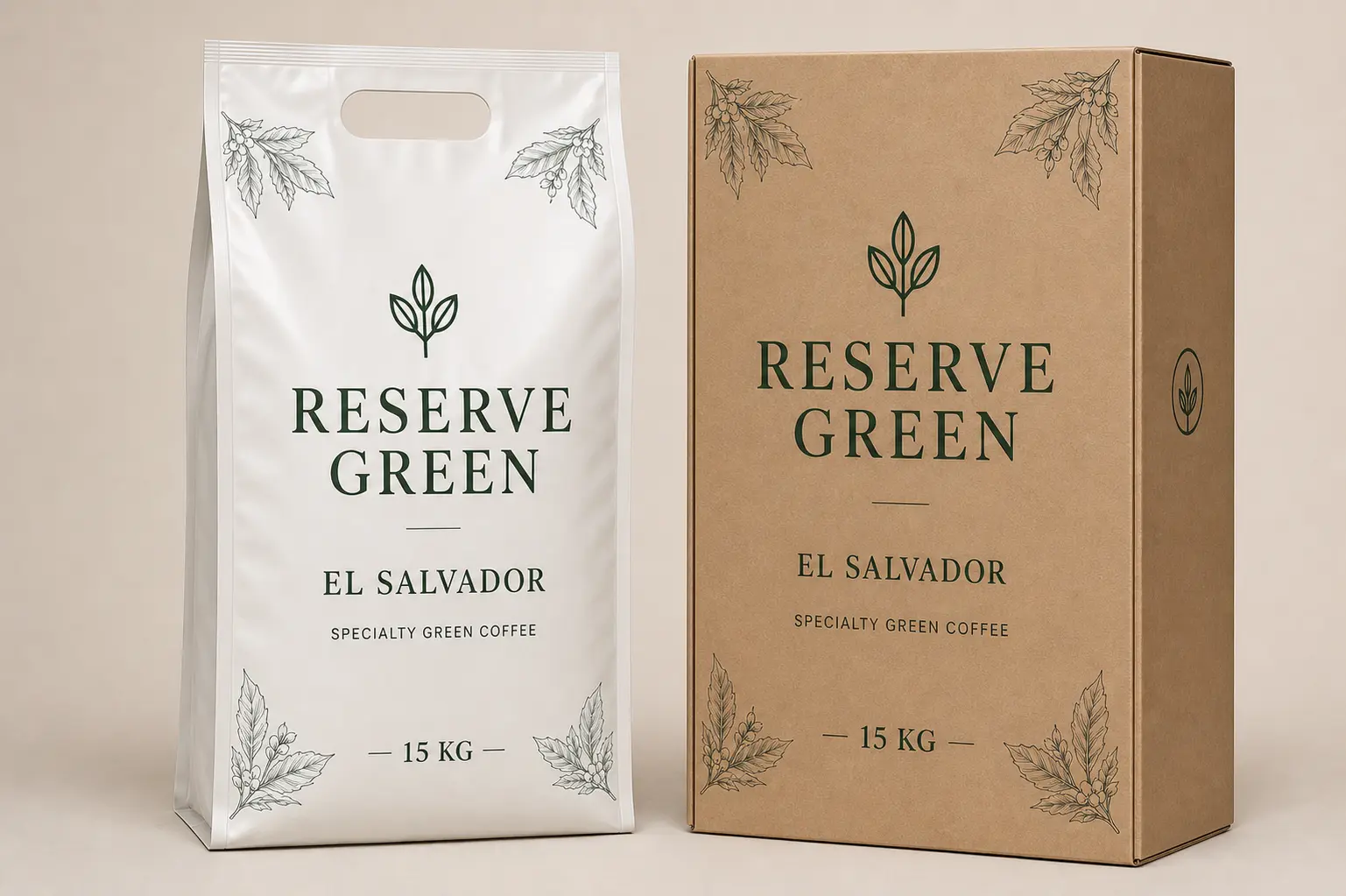 SV-25-001386.5In Stock
El Pedregal is a tablon (block) in side the greater San Francisco farm This coffees are grown at about 1400 MASL. It consists of 41 hectares in an area well known for sweet, delicate and classic El Salvadorian coffees. The cultivars grown is a mix of Bourbon and Hibrido de San Francisco (a local hybrid of the dwarf bourbon Pacas and old Bourbon Elite).
SV-25-001486.8In StockA washed & soaked Batian lot produced by the Salaverria family, on one of their farms, San Francisco. To enhance quality, they focus on lot separation based on altitude, quality potential, and growing conditions. To do this, they separate small farms and blocks on each farm called tablones, and experiment with fermentation and soaking.
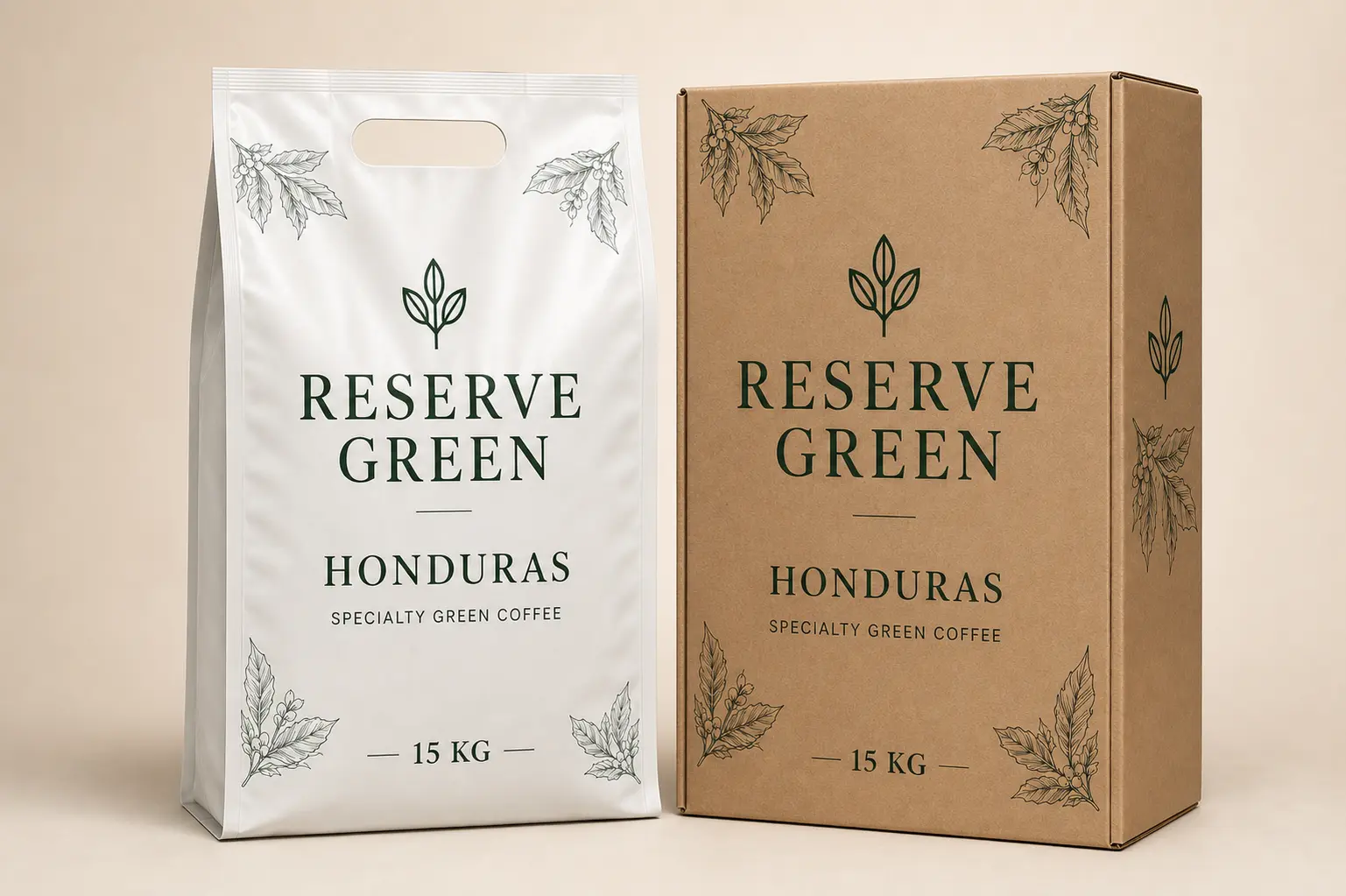 HN-25-003885In Stock
This fruity lot is a concept coffee in the sourcing programme from Honduras. It is produced by producers Marysabel Caballero and Moises Herrera.
HN-25-004285.25In StockThis extended-fermentation natural lot was produced by the established Caballero producing family in Honduras. Nordic Approach has sourced coffee from Marysabel and Moises since 2012. Directly from Marcala, these cherries were cultivated at 1,600– 1,700 meters above sea level. The profile is notable for tropical-fruit notes and strong intensity.
HN-25-004686.5In StockThis fruity natural is a concept coffee in the sourcing programme from Honduras. It is produced by producers Marysabel Caballero and Moises Herrera.
CO-25-012587In StockPunchy, process-driven and juicy, with red currant cordial, cacao nibs, spicy lactic berries, and a tangy dry chardonnay-like acidity. Light and clean with low levels of funk, increasing as it cools.
HN-25-005586.5In StockJammy, sweet and expressive, with purple fruit, grape wine gums, hints of rose water and milk chocolate. Bright, boozy red fruit; balanced, with slight meatiness noted by one evaluator.
Reserve Green supports established and growing roasteries through coffee knowledge, professional sourcing, quality evaluation and transparent lot information. Flexible purchasing formats and direct support help buyers evaluate, plan and order with greater confidence. Coffee selection and quality evaluation are supported by licensed Q Grader expertise.
Serving roasters nationwide.
Destination and lead time confirmed with quotation.
Origin bag weight and availability confirmed with quotation.
Request an evaluation sample for applicable lots.
Lots are assessed through cupping and relevant physical information where available, without filling gaps with unverified specifications.
Order full origin bags for production, with selected 15 kg options and evaluation samples available on request.
Based in Egypt. Domestic and international delivery is reviewed individually according to volume and destination.
Availability, preparation time and delivery options are confirmed with every quotation.
Tell us about your roastery, the profiles you need and the volumes you are planning. We will help you shortlist the right lots.
Contact details submitted through the website, email or WhatsApp are used only to answer enquiries, prepare quotations and arrange samples or delivery. We do not sell personal information.
Availability, pricing, lead time, freight and payment terms are confirmed in the written quotation. Samples are subject to availability. A website listing is not a binding offer.